Skip to content
Back to the blog

04 — Sales strategy

Court first. Quote when ready. The case for hiding the price.

In experience-led B2B sales, showing the price before the buyer has felt the value can quietly kill the deal. Here's the case for sharing the experience first — with a real example from luxury hospitality.

In most B2B sales playbooks, the proposal is where the price lives. Buyer asks for a quote, salesperson sends a quote, quote includes a number. It's how the world has worked for so long that most teams never question the order of operations.

But for a certain kind of B2B sale — particularly the experience-led ones, where the offer is bespoke, the value is qualitative, and the buyer's decision rests on much more than a line item — leading with the price quietly kills more deals than it closes. When a buyer opens a document and sees a number first, several things happen in fast succession that nobody at the seller's company can see.

“By the time the buyer reaches the section explaining the value, they've already decided what the value should cost.”

The buyer compares the number to a mental anchor — usually whatever they've seen before, sometimes a budget they hadn't fully committed to. They feel a small recoil. Then they read the rest of the proposal — but now everything they read is filtered through it. This is especially punishing where the offer is genuinely premium: luxury hospitality, bespoke services, high-end events, complex professional services. The price is high because the experience is. But if the buyer sees the number before the experience, the experience never gets a fair hearing.

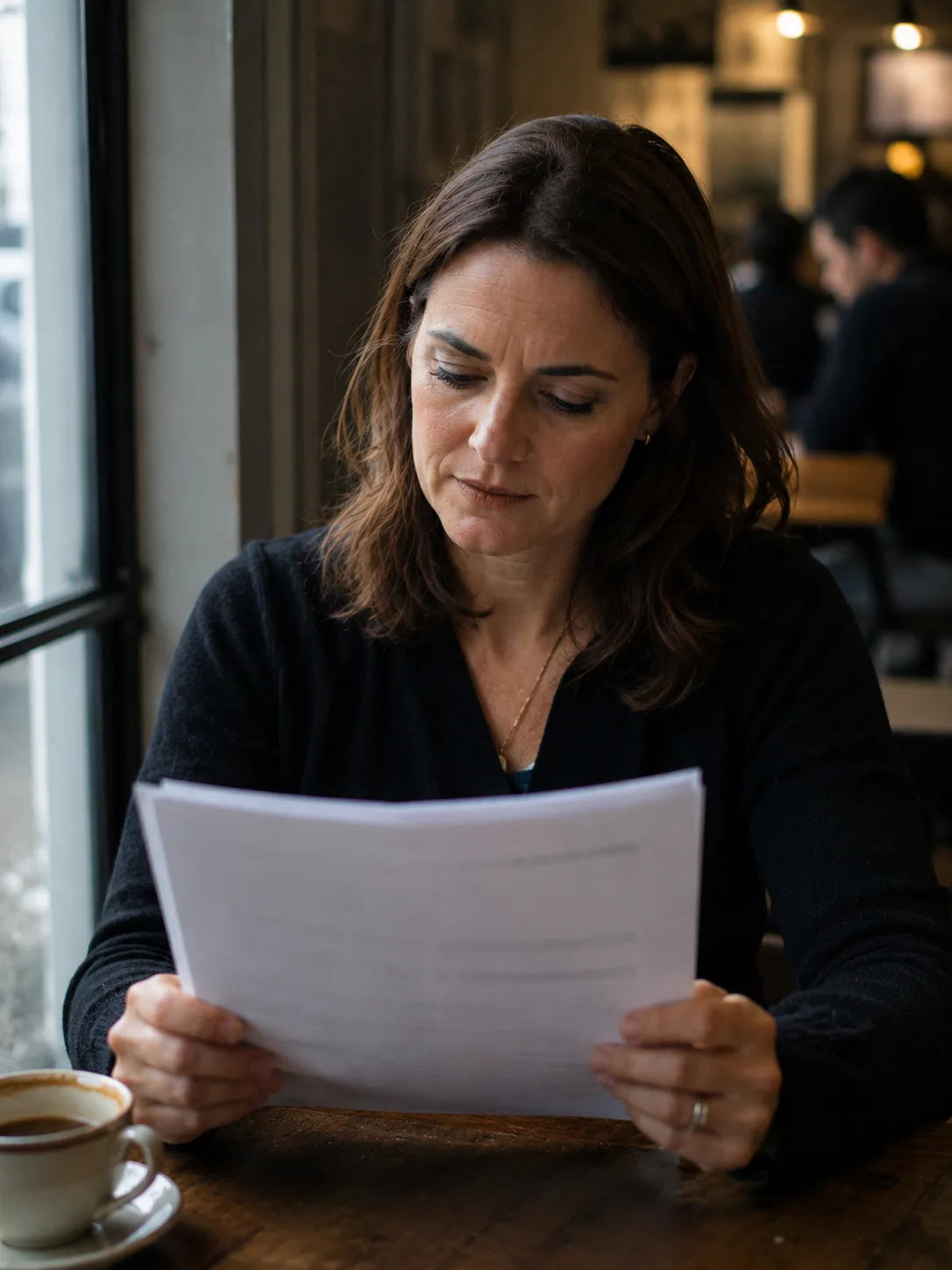
Placeholder image — to be replaced with the lead visual for the article
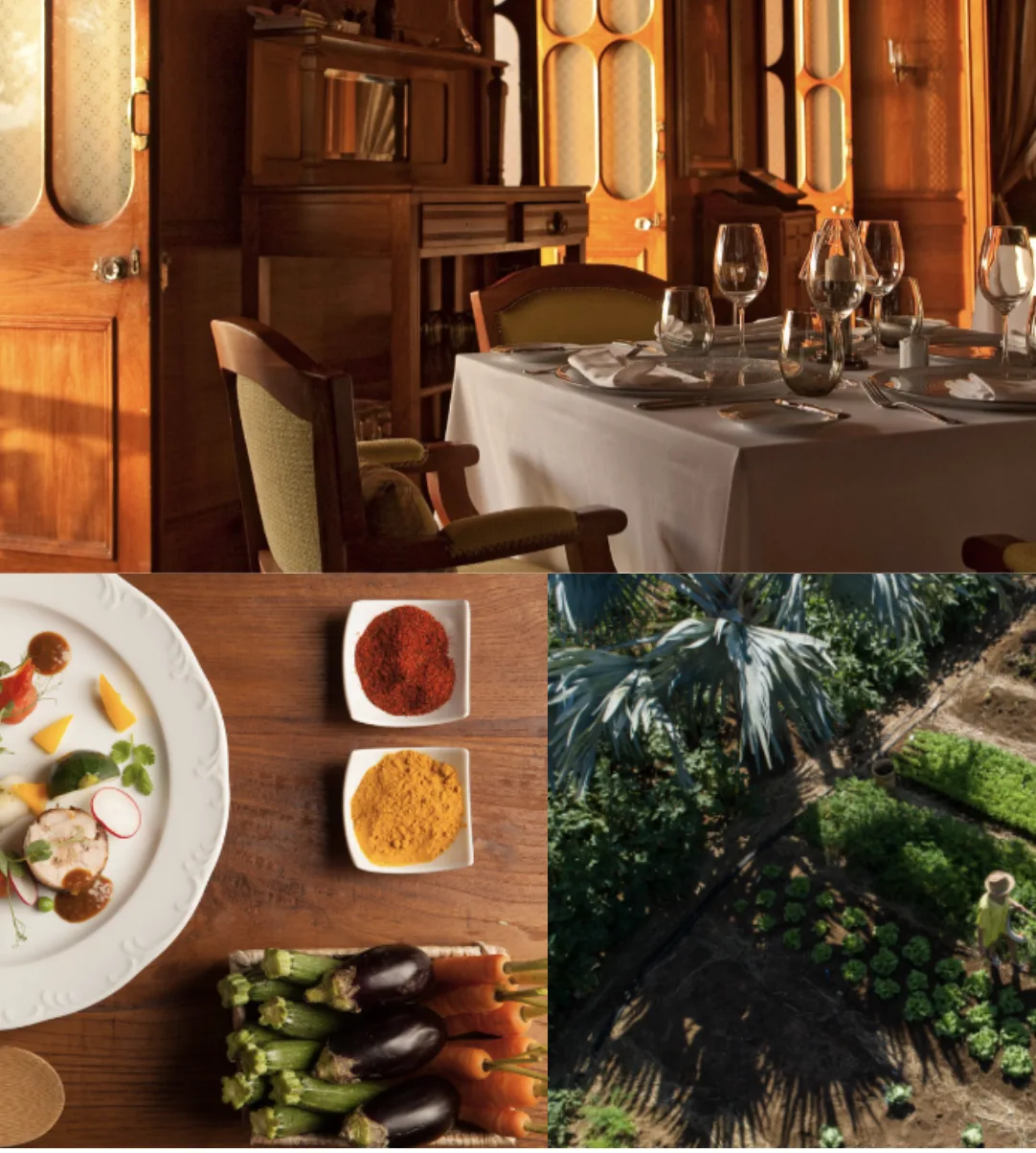
Placeholder image — to be replaced with an ER Hospitality / Château de Bel Ombre visual

A real-world example: ER Hospitality

The team at ER Hospitality, the hospitality cluster of the ER Group in Mauritius, knows this problem intimately. Their venues — Le Château de Bel Ombre, a 19th-century plantation house turned fine-dining destination, and C Beach Club, the coastal-chic lifestyle address on the island's southern shore — sell private events and bespoke dining. The product, in the strictest sense, is a meal. But what is actually being bought is an evening: the setting, the menu, the service, the atmosphere, the memory. A traditional quote does a poor job of representing any of that.

“Duodeal made the proposal part of the hospitality, not a transaction.”

Instead of sending a static document with menus and prices, the team now shares an interactive page that presents the experience first — the venue, the menus, the possibility of the evening. Pricing is kept discreetly hidden until the moment is right. Only once the experience has been agreed does the team reveal pricing and send the final proposal. By then, the number isn't a cold figure to be negotiated against an empty mental space. It's a confirmation of something the guest has already chosen. “Court first. Quote when ready,” is how they describe the workflow internally.

Why the reverse sequence works

When the price appears, the buyer isn't evaluating whether to buy — they're confirming what they've already designed. That's a different conversation, and it closes at a different rate.